
Contents
- What is WAGOLL (What a Good One Looks Like)?
- Why use WAGOLL in teaching?
- How to use WAGOLL in teaching
- What is WABOLL (What a bad one looks like)?
- Using WAGOLL to support literacy
- Using WAGOLL for primary teaching
- WAGOLL in secondary teaching
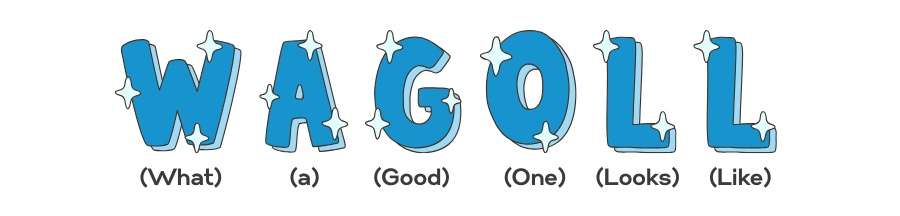
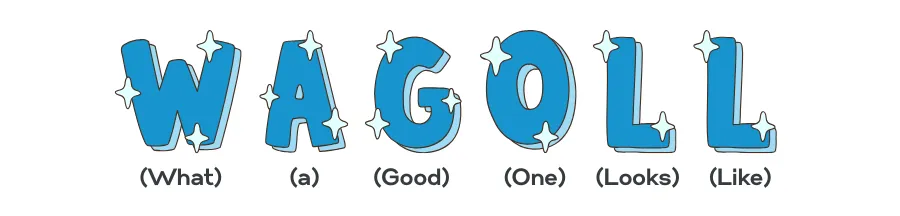
What is WAGOLL (What a Good One Looks Like)?
WAGOLL stands for 'What a Good One Looks Like'. It's a practical teaching approach where teachers share quality examples with their students to help them understand what success looks like. Think of it as showing rather than just telling.
Here's how WAGOLL works in practice:
- Sharing brilliant examples of work (either from previous students or teacher-created)
- Drawing attention to what makes these examples so effective
- Giving students something concrete to refer to when the success criteria seem a bit abstract
- Bringing those learning objectives to life in a tangible way
Why use WAGOLL in teaching?
There are many reasons teachers across the UK are embracing WAGOLLs:
- Clear expectations - Students know exactly what they're working towards
- Increased confidence - It shows students that success is achievable
- Improved results - Research backs this up: model examples improve performance
- Assessment made easier - Everyone understands what good work looks like
- Greater independence - Students can check their own work against the model
- Reduced anxiety - Tasks that might seem overwhelming become more approachable
How to use WAGOLL in teaching
Teachers can weave WAGOLLs into their lessons in various ways:
- Kick off a lesson by showing students a brilliant example of what they'll be creating
- While students are working, point them back to the WAGOLL for guidance
- Get students to review each other's work using the WAGOLL as a reference point
- Provide partially completed examples for students to finish - perfect for building confidence
- Annotate examples together as a class, highlighting what makes them successful
- Show both strong and weak examples side by side (that's where WABOLL comes in - What A Bad One Looks Like)
What is WABOLL (What a bad one looks like)?
WABOLL is a brilliant companion to WAGOLL. It gives students examples of work that don't quite hit the mark, helping them spot common mistakes and misconceptions that might trip them up.
In practice, teachers find WABOLL works by:
- Showing examples with those typical errors we see year after year
- Pointing out exactly why certain approaches don't work well
- Creating fantastic opportunities for students to analyse and fix mistakes
- Building those crucial evaluation skills that students need
Benefits of using WABOLL alongside WAGOLL
- Better discrimination - Students get really good at telling the difference between what works and what doesn't
- Practical application - They can see what happens when success criteria aren't met (much more useful than just being told!)
- Fewer common errors - Once they've seen the mistakes others make, they're much less likely to repeat them
- Critical thinking boost - Nothing develops analytical skills quite like evaluating work against specific criteria
- Peer assessment gold - Gives students a framework for giving genuinely helpful feedback
A quick word of caution though: when using WABOLLs, make sure they're anonymous and specially created for teaching. Using actual student work could cause embarrassment, and we definitely want to avoid that!
Using WAGOLL to support literacy
When it comes to literacy, WAGOLLs are absolutely brilliant for showing students what great writing actually looks like across different genres:
- Narrative writing. Teachers can share engaging stories that really showcase those key elements like grabbing openings, believable characters, and plots that keep readers hooked. Students can see exactly how professional writers craft their stories and then apply those same techniques in their own work.
- Persuasive writing. By showing students well-crafted persuasive pieces, teachers help them spot effective rhetorical devices, logical argument structures, and powerful calls to action. These examples give students a clear roadmap for creating their own convincing arguments.
- Poetry. Sharing exemplar poems helps students see figurative language, rhythm and rhyme in action. These examples not only inspire creativity but also give students practical patterns they can follow when crafting their own poems.
Try these WAGOLL resources that support literacy
- Story openings – dialogue, action or description
- Figurative language
- Write an autumn poem
- Write a spring alphabet poem
Using WAGOLL for primary teaching
WAGOLL approaches work brilliantly across the primary curriculum. Here's how you can use them to bring learning to life:
- Maths: Show students those "aha!" moments with clear worked examples. Nothing beats seeing how to tackle those tricky word problems step-by-step or watching division calculations unfold on the page. Students can see exactly how to set out their working and explain their mathematical thinking.
- Science: Share those gold-standard science write-ups that make your heart sing as a teacher. Great examples help students grasp how to structure their predictions, record observations properly, and draw meaningful conclusions from their experiments.
- Art: Bring in examples that truly showcase techniques you're teaching. Whether it's clever use of colour, interesting texture work, or getting to grips with perspective, having visual examples gives students something concrete to refer to when concepts get a bit abstract.
Try these WAGOLL resources for primary maths
WAGOLL in secondary teaching
When we're teaching older students, WAGOLL becomes an absolute lifesaver across all subjects. Here's how teachers are putting these examples to brilliant use in their classrooms:
Subject applications
- English: Sharing high-quality text analyses helps students see what well-supported arguments actually look like. They can finally understand what you mean when you say ‘develop your critical insights’!
- Maths: Nothing beats seeing a properly worked-out equation or geometric proof. Students can follow the logical steps and see how to present their solutions clearly.
- Science: Well-structured practical write-ups are invaluable for science lessons! They help students see exactly how to present their hypotheses, record methods, organise results tables, and draw evidence-based conclusions.
- MFL: Well-crafted paragraphs and dialogues make grammar rules come alive. Plus, model answers are absolutely essential when preparing students for their GCSE exams.
- Geography: Example answers for exam questions, clear data analysis, and thorough evaluations that include specific named examples. Seeing properly structured answers with accurate geographical terminology and evidence-based conclusions transforms students' work.
- History: Showing students a properly constructed historical argument helps them see how to engage critically with source material. Once they've seen it done well, their own essays improve dramatically.
English resources
- A speech to change the world: persuasive speech analysis
- Exploring beginnings
- Non-fiction text examples
Maths resources
- GCSE revision - worked examples and practice questions
- Circumference and area of circle
- Vectors review
Science resources
- Energy changes in chemical reactions
- Pressure in fluids
- Rainforest invertebrate survey: using standard form
MFL resources
- ¿Qué hay en la foto?
- Mis vacaciones en España
- How to describe a picture in French
- Holidays and travel – sentence builders for GCSE French
- Wohnorte: describing the place where you live
